The context
Among the groups that are most vulnerable to inequality and discrimination are people with disabilities and those with mental health issues, who often face difficulties in accessing health, education, and social services. Although India was one of the first countries to sign the United Nations Convention on the Rights of Persons with Disabilities (2007), the practical implementation of inclusion policies remains limited in many parts of the country.
In Tamil Nadu, according to government estimates, over 100,000 people live with an intellectual disability, often caused by malnutrition, complications during pregnancy or inadequate medical care in early childhood. Families caring for children and young people with disabilities often receive little support from public services and have limited access to rehabilitation and training programmes.
In many contexts, children and young people with disabilities are also exposed to severe forms of social stigma, isolation, and discrimination, which limit their participation in community life and their access to education and employment.
In this context, the lack of specialised services, the scarcity of information, and the persistence of social and cultural barriers make it particularly difficult for people with disabilities and their families to access opportunities for care, rehabilitation, and social inclusion.

Cittadinanza’s approach
In India, Cittadinanza supports the work of Best New Life Shelter (BNLS), a day centre for children and young adults with disabilities located in the rural area of Arcot, in the district of Ranipet, in the state of Tamil Nadu.
The centre was founded in 2003 by Catherine Inbarajan, the mother of a child with severe spastic tetraparesis resulting from meningitis, with the aim of offering support and development opportunities to children with disabilities living in contexts of severe social and economic vulnerability.
Over the years, Cittadinanza has supported the centre’s operation and development, helping to strengthen rehabilitation, care, and social inclusion services for children and young people with disabilities.
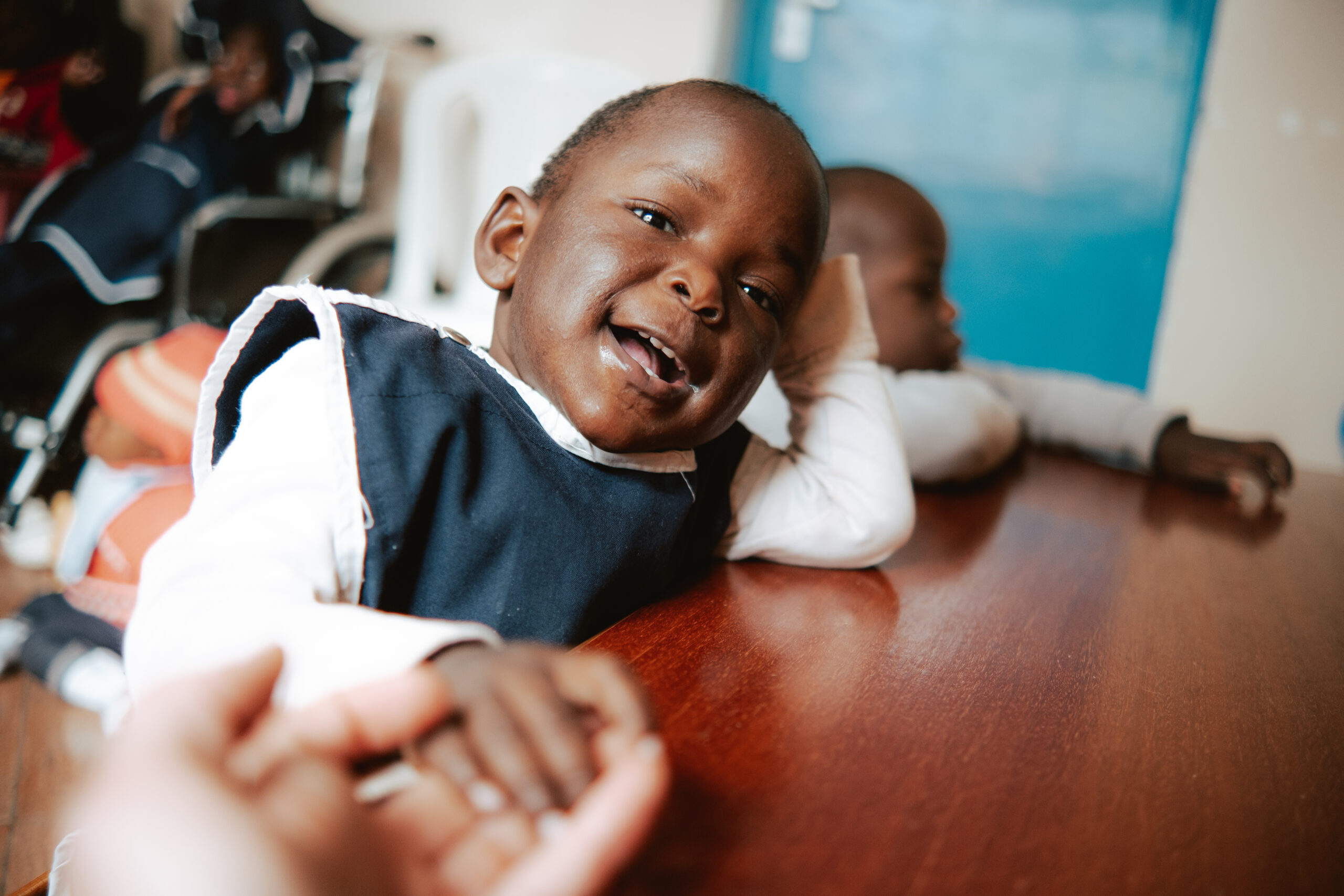
For many children and young people with disabilities, the Best New Life Shelter represents one of the few spaces for care, rehabilitation, and socialisation available in the community, offering educational, rehabilitative, and independence-building activities, as well as support for families.


The activities are divided into different areas of intervention:
1. Rehabilitation and development of independence
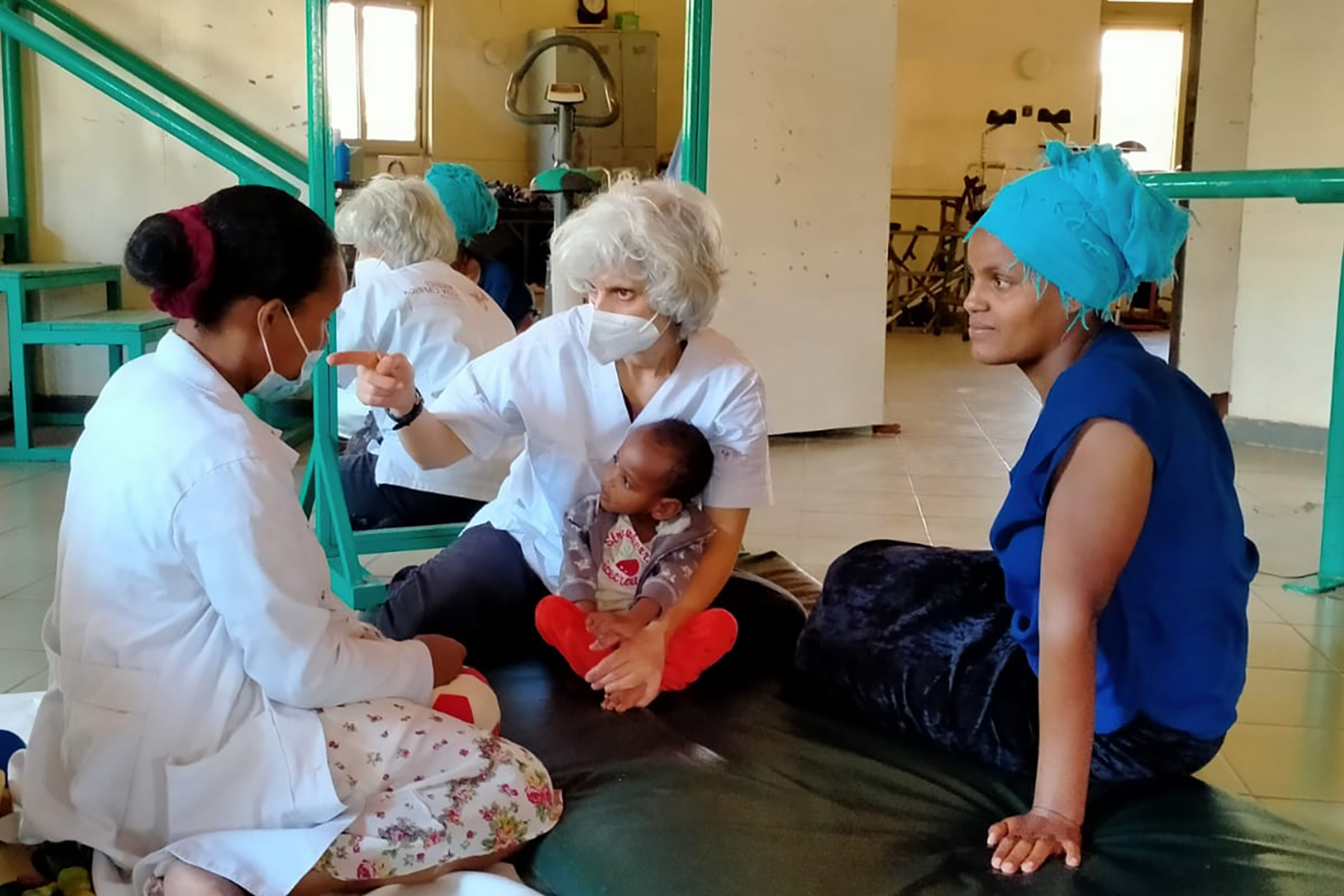
The centre offers personalised rehabilitation programmes and support to help children and young people with various disabilities – including intellectual disabilities, cerebral palsy, autism, Down syndrome and multiple disabilities – develop their independence.
Activities include: physiotherapy and motor skills activities to improve mobility and coordination; occupational therapy and manual activities to develop functional skills; yoga and wellness activities to promote physical and mental wellbeing; and personalised educational programmes based on each child’s abilities and needs.
2. Education and social inclusion
The centre promotes educational and social inclusion activities with the aim of fostering the development of cognitive, interpersonal, and social skills in children and young people with disabilities.
Key activities include: tailored educational programmes; academic support for children within the education system; and activities aimed at socialisation and the development of interpersonal skills.
For young adults, vocational training programmes are also provided with the aim of helping them develop the skills needed to enter the workforce.
3. Support for families
The centre encourages family to play an active role in their children’s rehabilitation process.
Through regular meetings and training sessions, parents are kept informed about the centre’s activities and given support in helping their children develop independence and manage their daily routines.
At the same time, the centre offers support to families with the administrative procedures involved in obtaining disability recognition and accessing government benefits, thereby helping to ensure that the rights of people with disabilities are upheld.
4. Health and nutrition
The centre provides the children and young people present with a nutritious meal every day, which is essential for supporting their growth and wellbeing.
Medical camps are also organised to monitor the children’s health and to offer healthcare services to other members of the community who are not yet registered with the centre.
Results achieved in India
Rehabilitation and inclusion of children with disabilities: Since 2003, the centre has welcomed and supported over 300 children and young adults with disabilities, offering programmes focused on rehabilitation, education, and the development of independence.

Job placement: More than 40 young adults have been able to access employment opportunities thanks to the vocational training activities run by the centre.
Support for families and the community: Over the years, 182 families of children supported by the centre have received the government disability allowance, thanks to the assistance provided by the BNLS regarding the completion of administrative procedures necessary for recognition of a disability by the state.


At the same time, the centre has worked with other local organisations to help around 15,000 people with disabilities apply for the necessary documents to have their disability recognised and to access public services.
Rehabilitation and inclusion of children with disabilities: Since 2003, the centre has welcomed and supported over 300 children and young adults with disabilities, offering programmes focused on rehabilitation, education, and the development of independence.
Job placement: More than 40 young adults have been able to access employment opportunities thanks to the vocational training activities run by the centre.
At the same time, the centre has worked with other local organisations to help around 15,000 people with disabilities apply for the necessary documents to have their disability recognised and to access public services.